
Stara Srbija Tavern – More Than a Century of Kragujevac’s Kafana Tradition
On this page
In the very heart of Kragujevac, on Karađorđeva Street, stands a place that is far more than simply a restaurant. Stara Srbija belongs to that increasingly rare tradition of Serbian kafanas – places where history is not preserved only in old photographs and stories on the walls, but is still felt in conversations around the table, in the aroma of traditional food and in an atmosphere that recalls a time when the kafana was one of the most important institutions of urban life.
The roots of Stara Srbija reach back to the beginning of the 20th century. Historical accounts connect the site with the former Javor Tavern, which existed here in the early decades of the century. Over time, neighbouring premises were joined together and the establishment that would become known as Stara Srbija gradually took shape.
For generations, it has been a meeting place for the people of Kragujevac – merchants and officers, travellers and journalists, artists, musicians and bohemians, as well as countless local residents for whom the kafana was never simply somewhere to have lunch.
It was a kind of second home.
A Tavern That Witnessed History
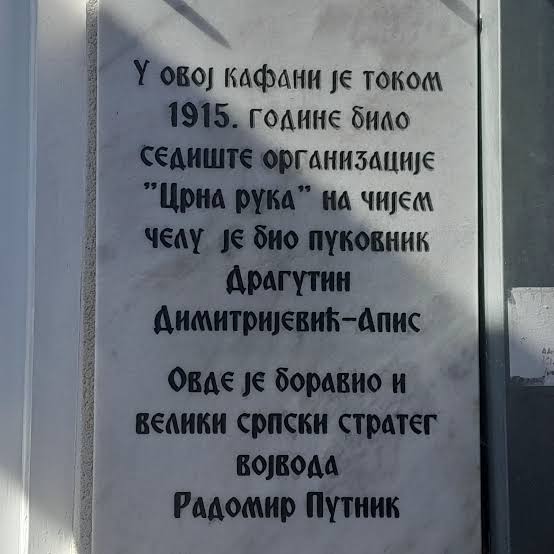
One particularly fascinating chapter in the story of Stara Srbija is associated with 1915, when Kragujevac served as the headquarters of the Serbian Supreme Command during the First World War.
Local historical accounts connect the tavern with Dragutin Dimitrijević Apis and members of the organisation known as the Black Hand, while the name of one of Serbia's most celebrated military commanders, Field Marshal Radomir Putnik, is also linked to the establishment.
Today, this layer of history is remembered through the “Apis Booth”, a special section of the tavern dedicated to that remarkable period in Kragujevac’s past.
Yet the real history of Stara Srbija was not written only by famous historical figures and major national events.
It was also created over thousands of ordinary evenings around its tables.
People came here to celebrate and negotiate, to debate politics and football, read newspapers, exchange news and tell stories. Friendships were made, local anecdotes were born and, accompanied by music and good company, evenings frequently lasted much longer than anyone had originally planned.
Journalists, artists and the city’s legendary bohemian characters played a particularly important role in the more recent history of the tavern, helping Stara Srbija become part of Kragujevac's collective memory.
The Flavours of Serbia Around a Kafana Table
Today, Stara Srbija remains faithful to what guests expect from a genuine Šumadija kafana – traditional cuisine, generous portions and flavours that do not need to reinvent themselves to remain relevant.
The menu reflects the culinary identity of central Serbia through dishes and products such as homemade kajmak and cheese, cured meats, traditional sausages, čvarci and gibanica, alongside slow-cooked and traditional dishes such as stuffed peppers, baked beans with sausage and classic meat specialities.
It is precisely this combination that defines the traditional Serbian kafana experience: small dishes and appetisers made for sharing, hearty cooked food reminiscent of a family Sunday lunch, grilled and roasted meats, local rakija and the feeling that nobody is in a hurry to leave the table.
Here, food is not merely something served to a guest.
It is part of the ritual of sitting together.
And in Serbia, “going to the kafana” has always meant much more than simply going out for a meal.
A Living Piece of Old Kragujevac
Kragujevac has changed dramatically over the past century. Streets have been rebuilt, generations have come and gone, industries have transformed the city and modern cafés and restaurants have become part of its new identity.
Yet Stara Srbija has remained one of the recognisable symbols of the old city.
Older generations have known it for decades, while traditional gatherings, conversation, music and the unmistakable hum of a busy kafana still preserve a kind of spontaneity and warmth that is becoming increasingly difficult to find in modern restaurants.
That is why Stara Srbija should not be seen only as a recommendation for lunch or dinner.
For a visitor wishing to understand Kragujevac, it is a small journey through the social history of the city.
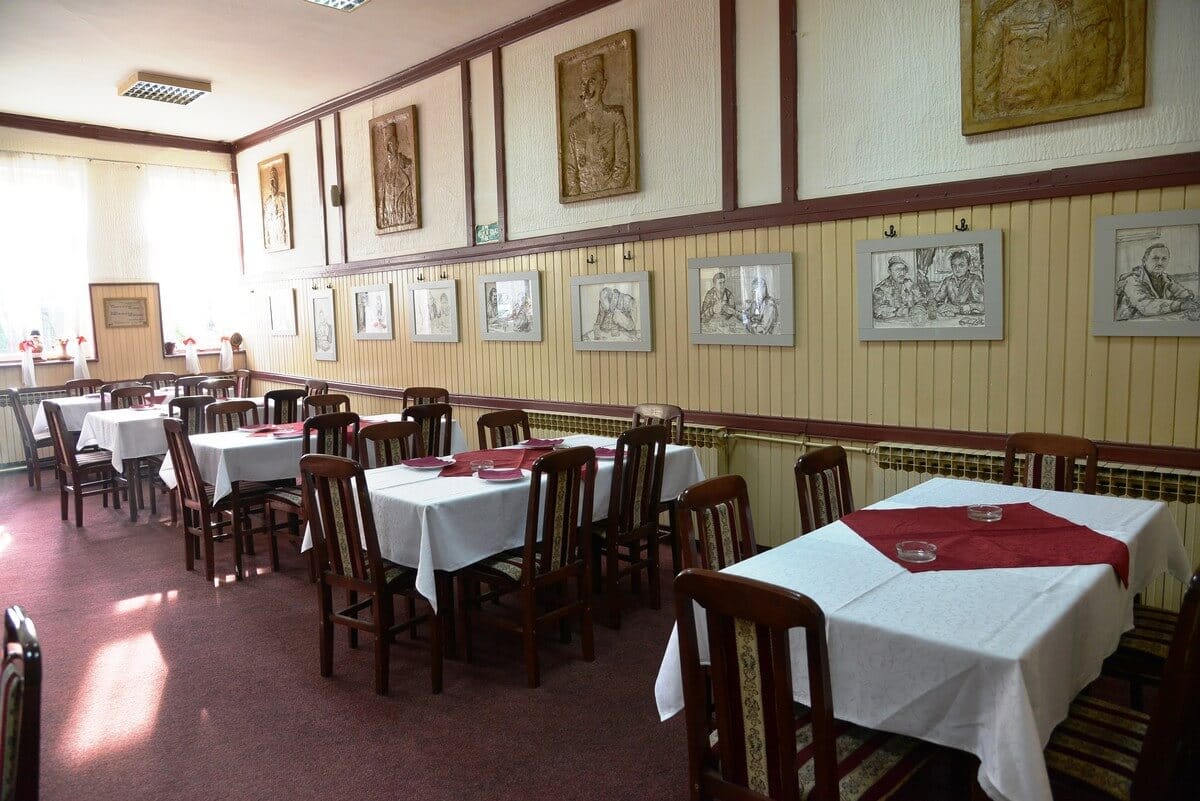
Behind its walls are stories of generations who met here. Around its tables one can understand why the Serbian kafana was once simultaneously a restaurant, a social club, a living room, an informal newsroom and a stage on which the everyday life of a city unfolded.
Come for a traditional meal, a glass of Šumadija rakija and the atmosphere.
Stay a little longer, and you begin to discover something else – the spirit of Kragujevac itself.
Because Stara Srbija preserves a particular image of the city: a Kragujevac of stories and encounters, good food, music, long conversations and evenings that are remembered not by how many hours they lasted, but by the memories they left behind.
Address: Karađorđeva 7, Kragujevac, Serbia
Phone: +381 34 333 262
Autor
On this page
What's Next?
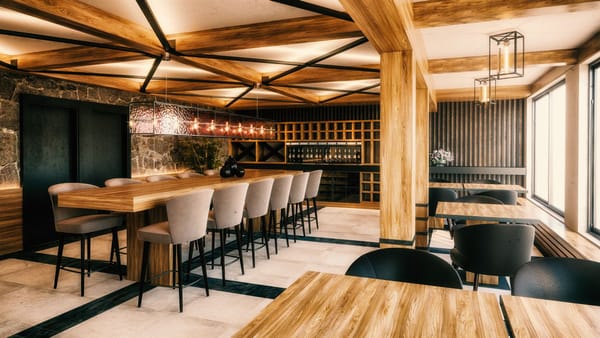
Stari Hrast Winery – Wine with a Sense of Place in Šumadija
Just fifteen kilometres from Kragujevac, on a plateau above the village of Žirovnica, lies one of those places that help explain why Šumadija has increasingly come to be recognised as one of Serbia’s most promising wine regions. Stari Hrast Winery is neither a large industrial producer nor does it aspire to become one. Its strength lies precisely in the opposite approach: a family estate, its own vineyards and orchards, clearly defined provenance and a close connection between the wine and the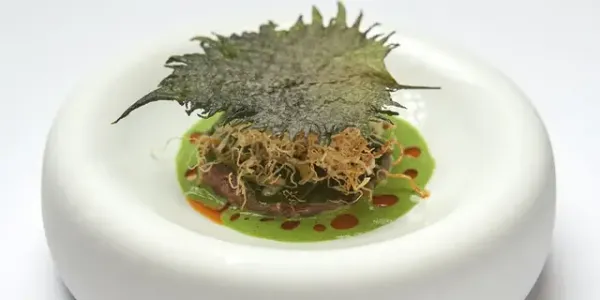
Why Are We Still Ashamed of Our Culinary Heritage?
Šumadija has the products, the tradition and the culture of hospitality, but it still lacks a clear gastronomic direction capable of transforming its local cuisine into a serious tourism product. Šumadija does not have a problem with its culinary heritage. It has a problem with the way it relates to that heritage. This is perhaps the simplest way to describe the position in which one of Serbia’s richest gastronomic regions finds itself today. We have the products, the traditions, the climate an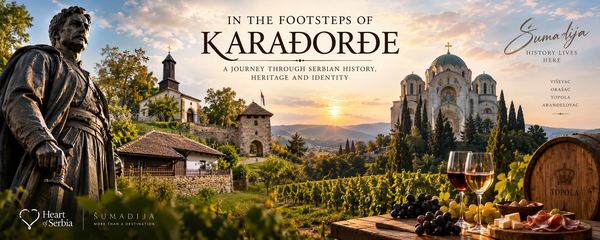
In the Footsteps of Karađorđe – A Journey Through Serbian History, Heritage and Identity
Set out through the heart of Šumadija on a journey connecting some of the most important chapters in Serbian history – from the First Serbian Uprising to the rise of modern Serbia under the Karađorđević dynasty. The thematic route “In the Footsteps of Karađorđe” connects Viševac, Orašac, Topola and Aranđelovac, creating a journey through the places where the foundations of modern Serbian statehood were laid. From Karađorđe’s birthplace in Viševac, through revolutionary Orašac, where the uprisin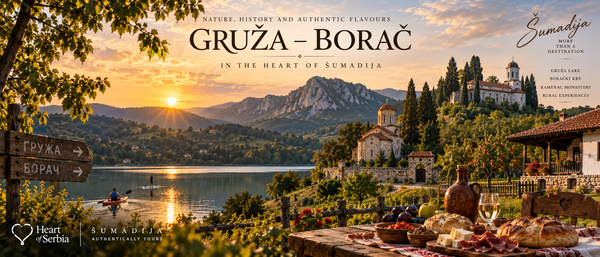
Nature, History and Authentic Flavours in the Heart of Šumadija
The thematic “Gruža–Borač” Route takes visitors through one of the most beautiful and authentic landscapes of Šumadija, bringing together natural attractions, cultural and historical heritage, outdoor activities and traditional gastronomy into a unique travel experience. Within a relatively small area, the scenery shifts from the peaceful shores of Gruža Lake and the impressive volcanic cliffs of Borački Krš to medieval heritage sites, rural households and places that still preserve the spirit o